
Product Catalog.
CD Welding Systems.
Main features
Designed for high-precision projection welding, AVENOR's capacitor discharge (CD) projection welders provide reliable welding quality for dissimilar and hard-to-join metals. They operate with a small heat-affected zone and minimal water cooling, providing significant environmental and cost advantages.
AVENOR's CD projection welders double as high-performance stud welders and projection nut welders, using precise energy control to handle threaded fastener applications with minimal heat impact. Built as durable stud welding equipment, these machines deliver consistent weld quality, high productivity, and minimal material distortion.
Advantages of the process
- Low demand on power grid
- No need for water cooling
- Shortest welding time
- High repeatability
- High precision
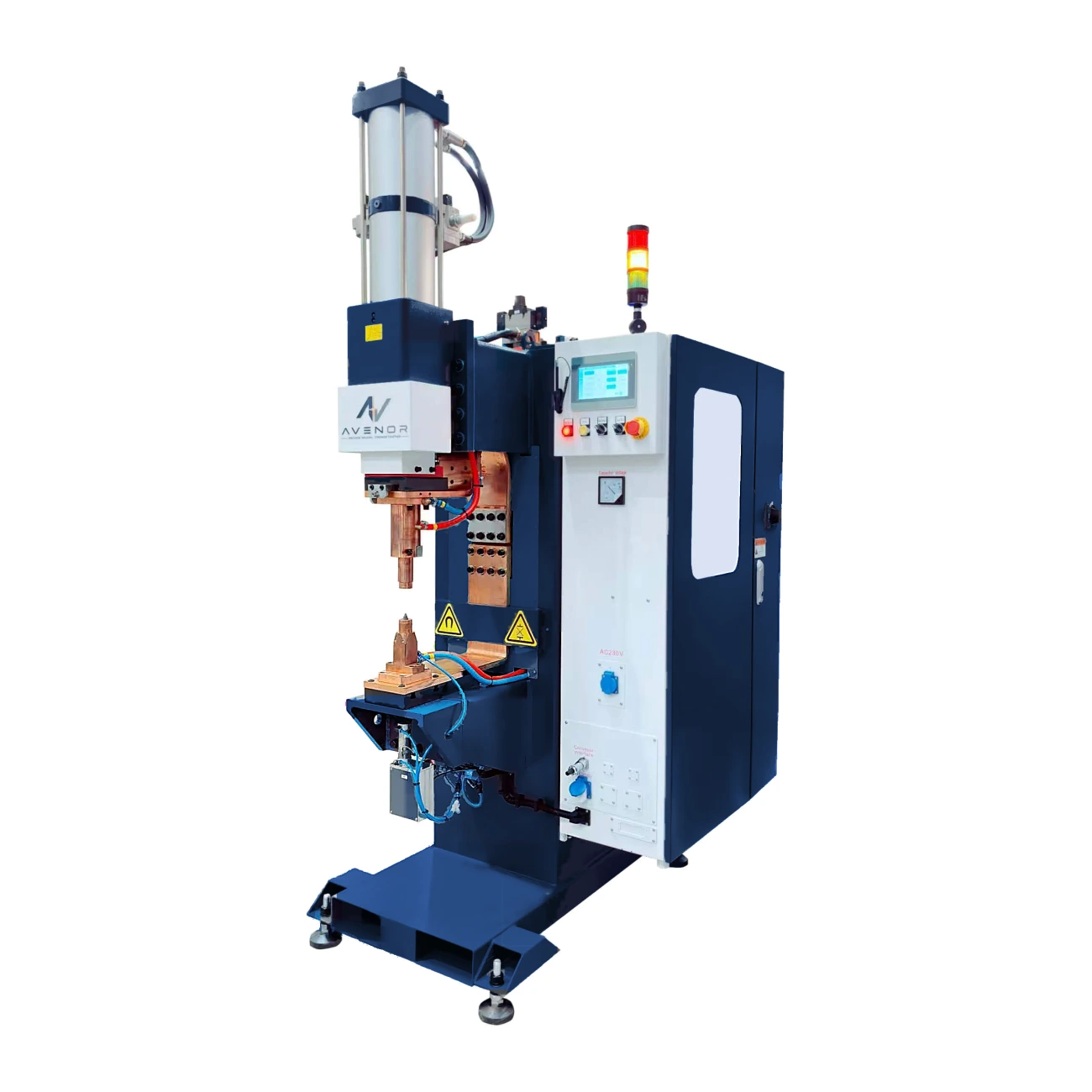
The current curve determines the welding quality
Capacitor discharge curve
- Satisfies the demand for a continuous increase in welding current.
- Continues to grow the molten pool after the projection melts, as contact resistance falls.
- Overcomes the limitations of the constant current output curve used by traditional AC and MFDC systems.
- Medium-voltage capacitor discharge projection welding is the most effective projection welding process in resistance welding.
Concentrated energy, small heat-affected zone
- The thread is not deformed by the heat of the welding process.
- The output energy is stable and reliable.
- Energy savings and reduced overall consumption.
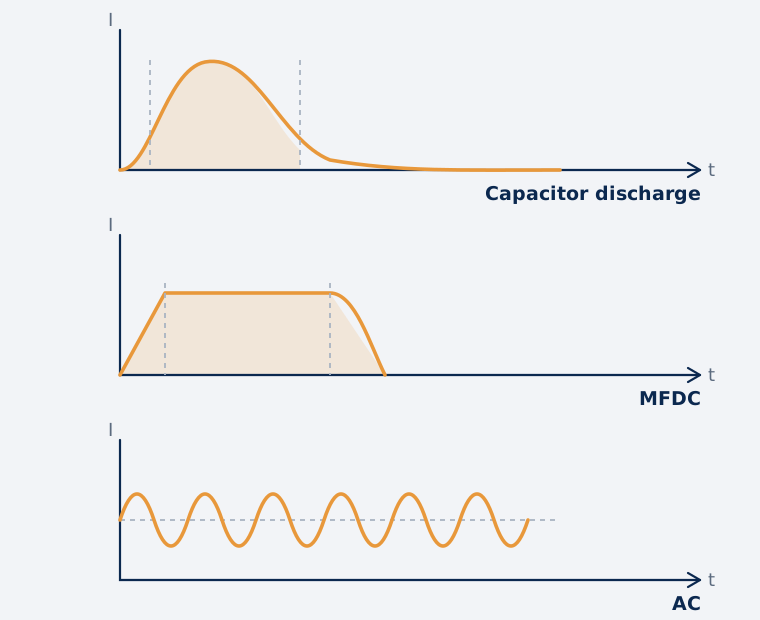
Applications
Industry applications
- Automotive and general industry
Application materials
- Hot-stamped high-boron steels
- Press-hardened steels
- Coated components
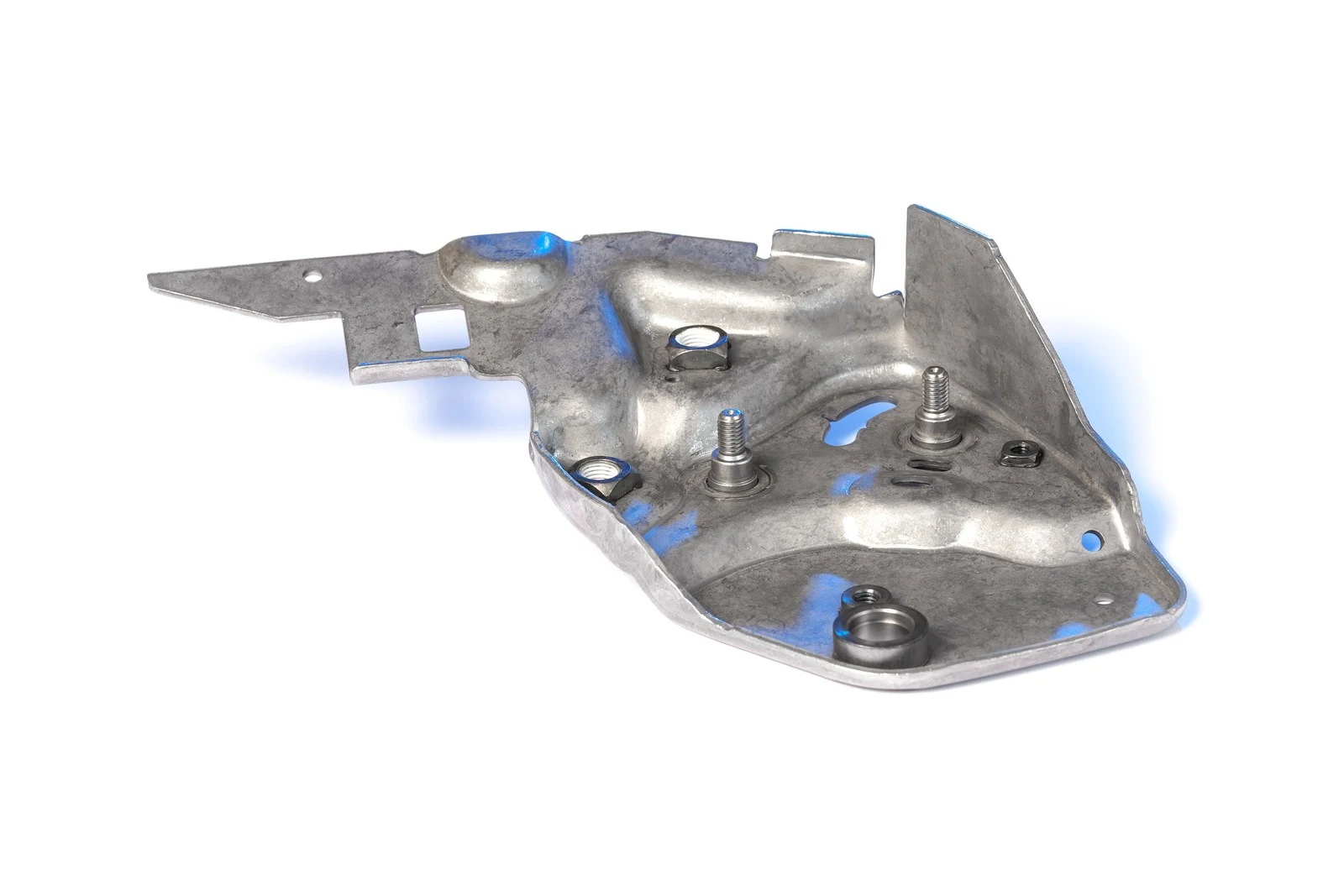
- Weld nuts and bolts
- Advanced high-strength steels (R 0.2 < 1,600 MPa)
- Steel types with high carbon content (greater than 0.2%)
- Workpieces with a wide range of cross-sections and surfaces
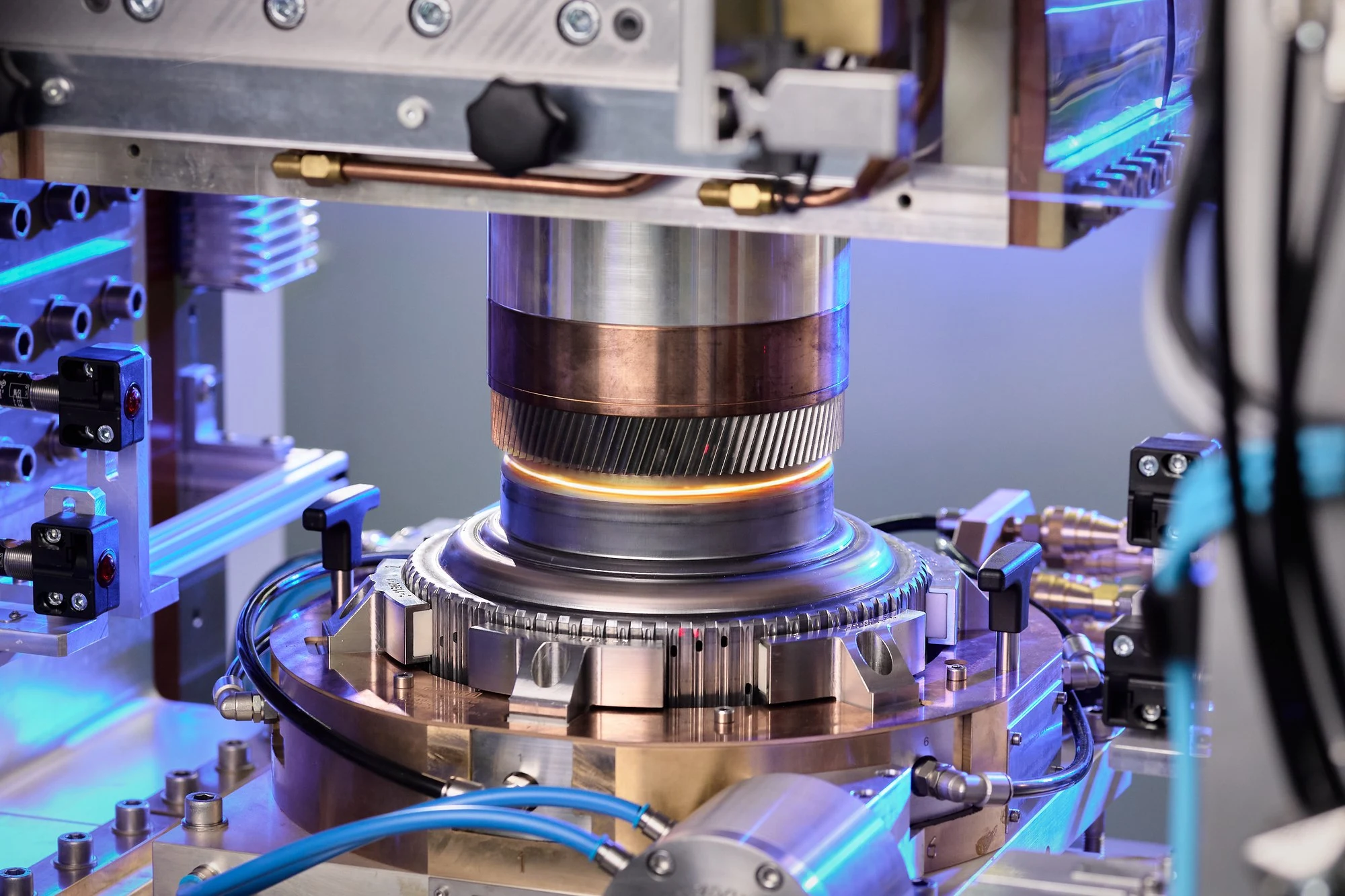
CD welding machine series
-
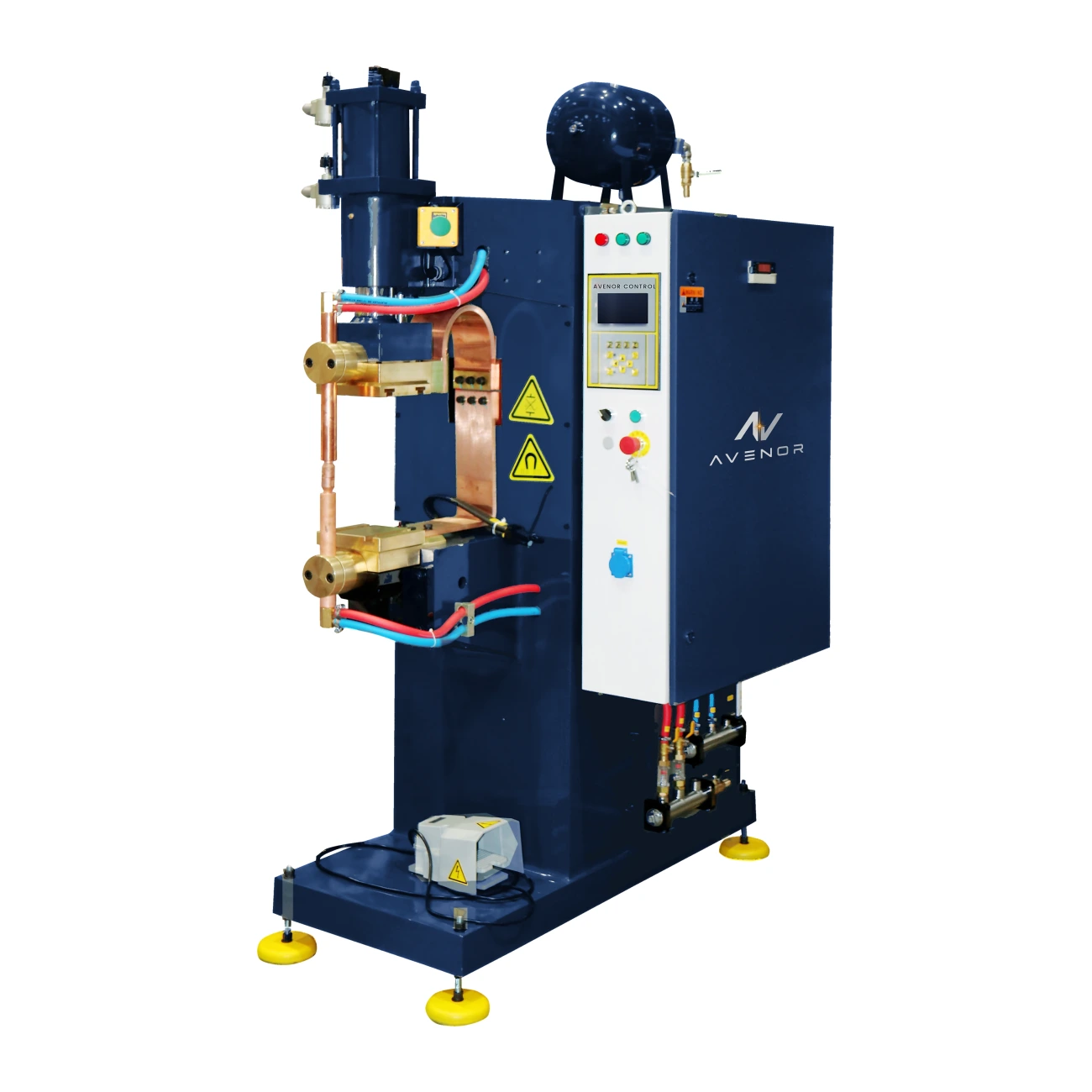
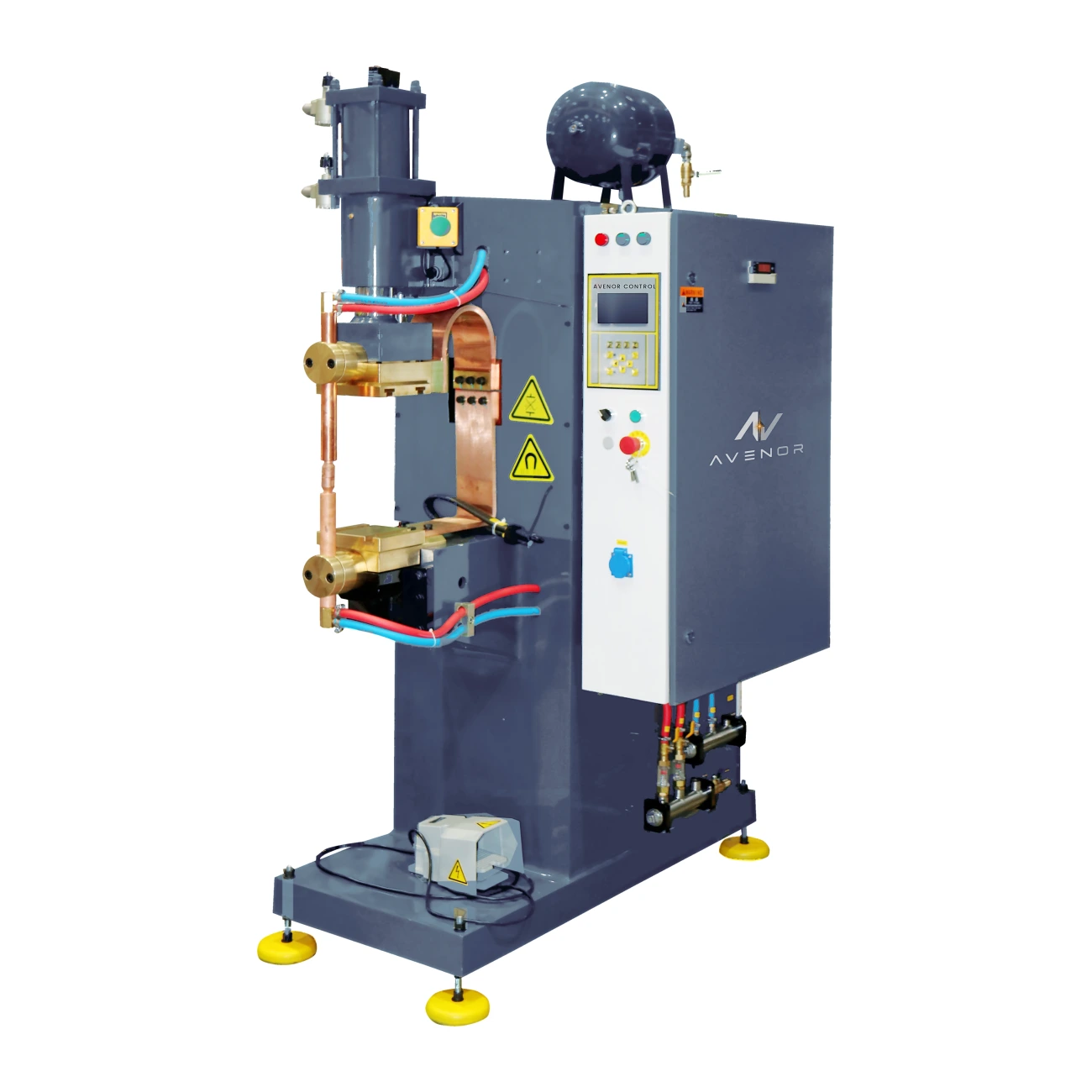
Compact series
-
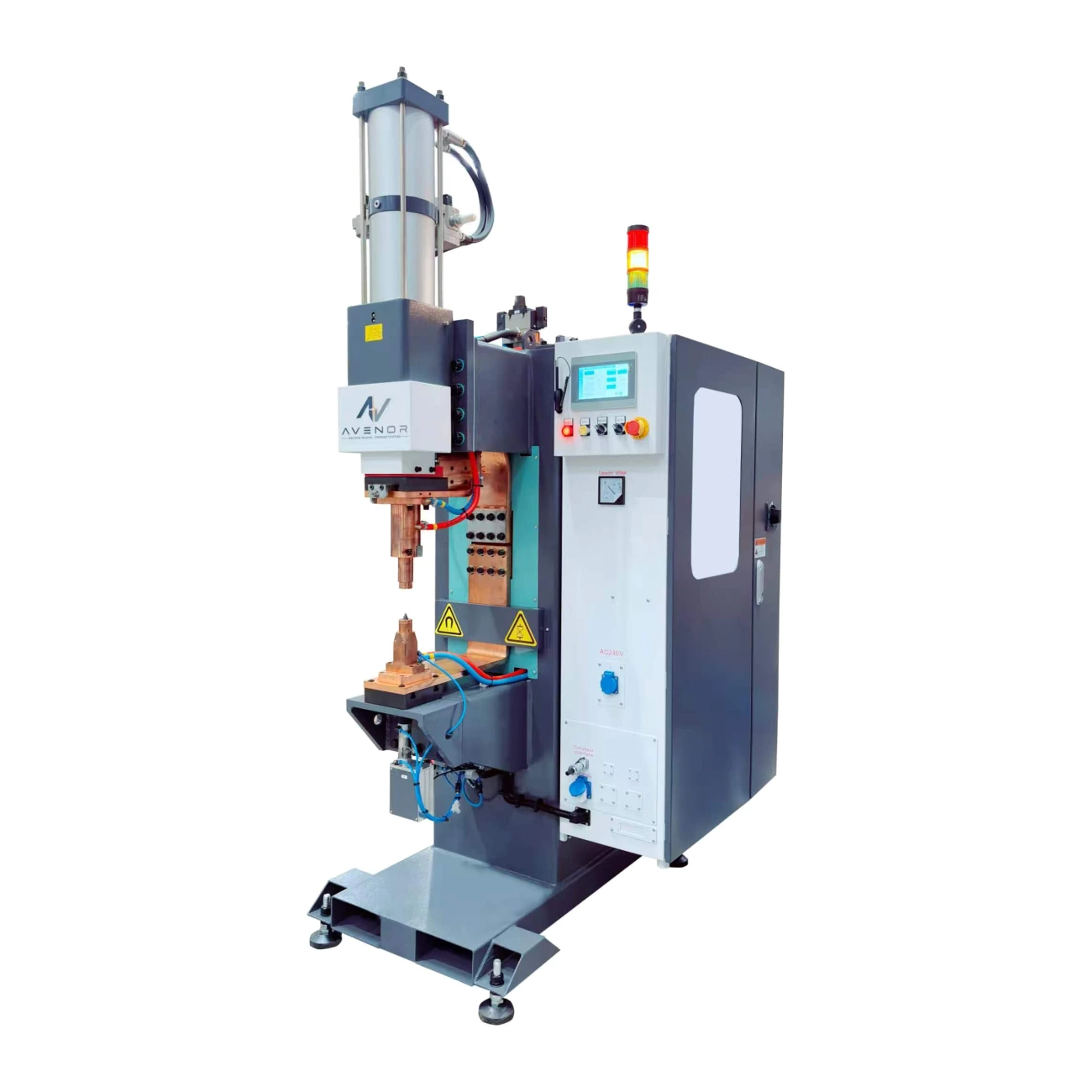
Standard series
-
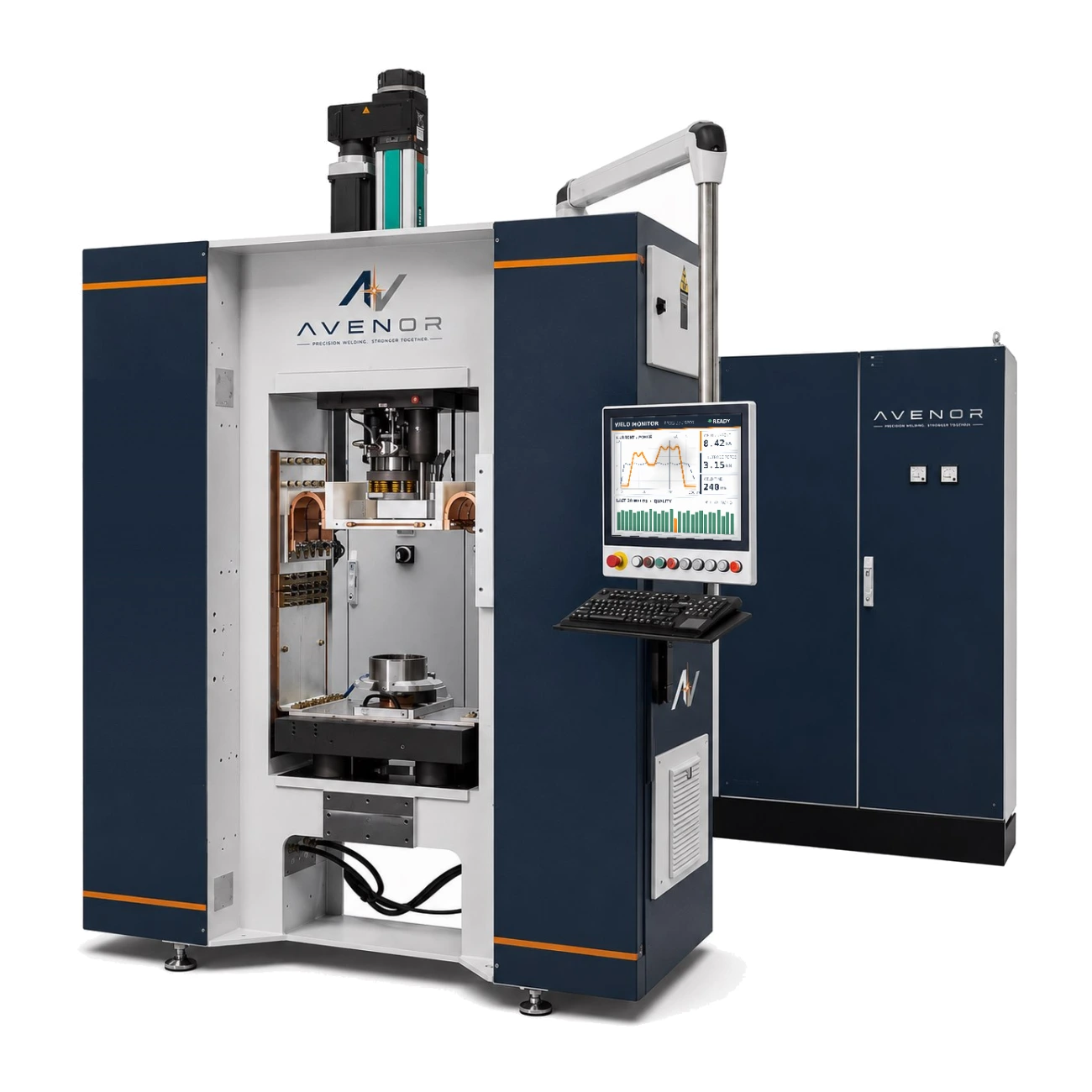
High-energy series
Welding results
- The heat-affected zone of the nut after welding is small, and the thread is not deformed.
- The galvanized layer of the thread and plate remains completely intact.
- The galvanized layer is not destroyed, and no filament is required.
- The molten core has a penetration depth greater than 0.2 mm.
Request a quotation.
Tell us your application and we will come back with a specification.